JOURNAL · AUG 2
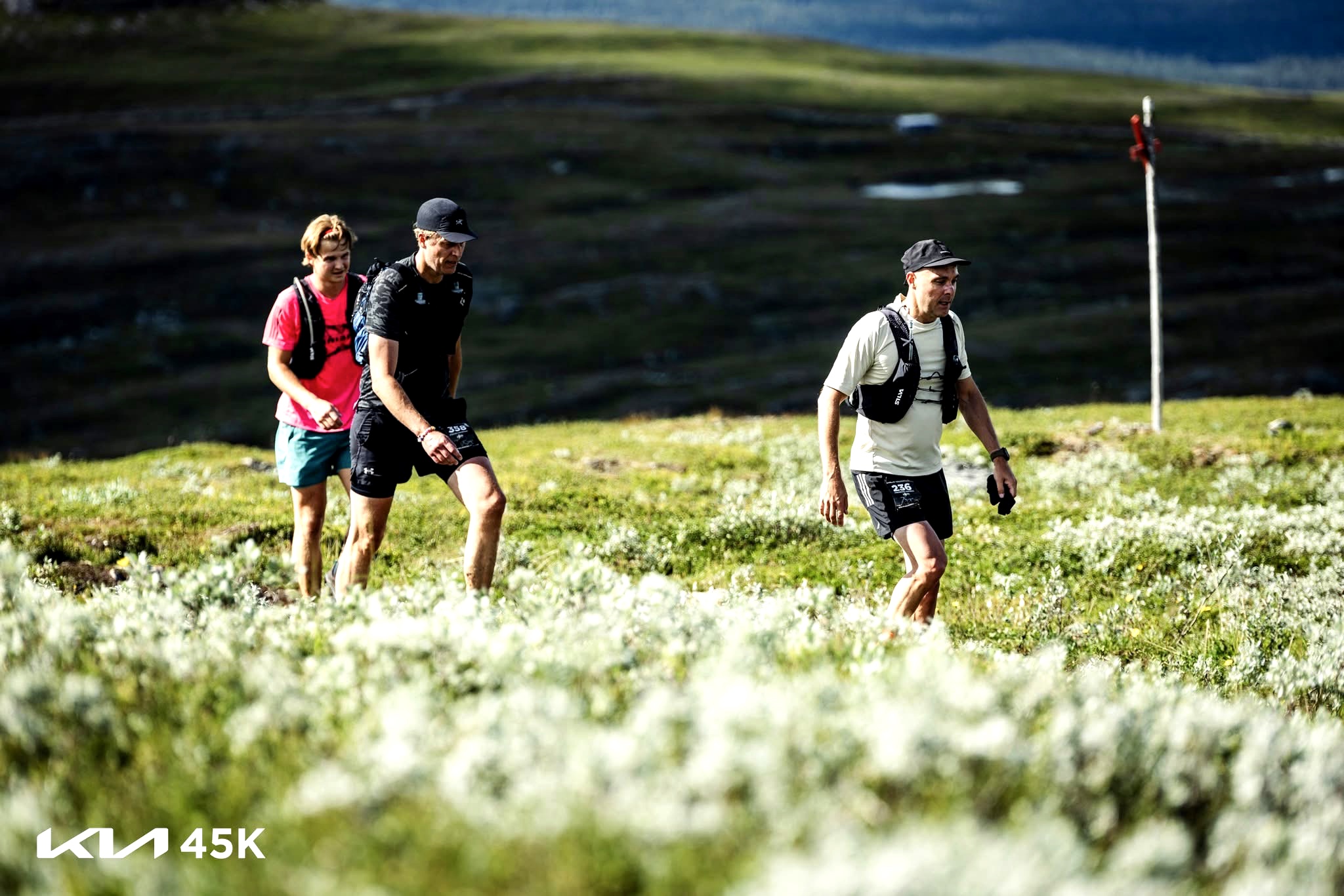
Kia Fjällmaraton. Fick tyvärr avbryta på grund av knän… Men fantastiskt var det!
Quick notes, hashtagged. Liked posts persist in your browser.
Kia Fjällmaraton. Fick tyvärr avbryta på grund av knän… Men fantastiskt var det!
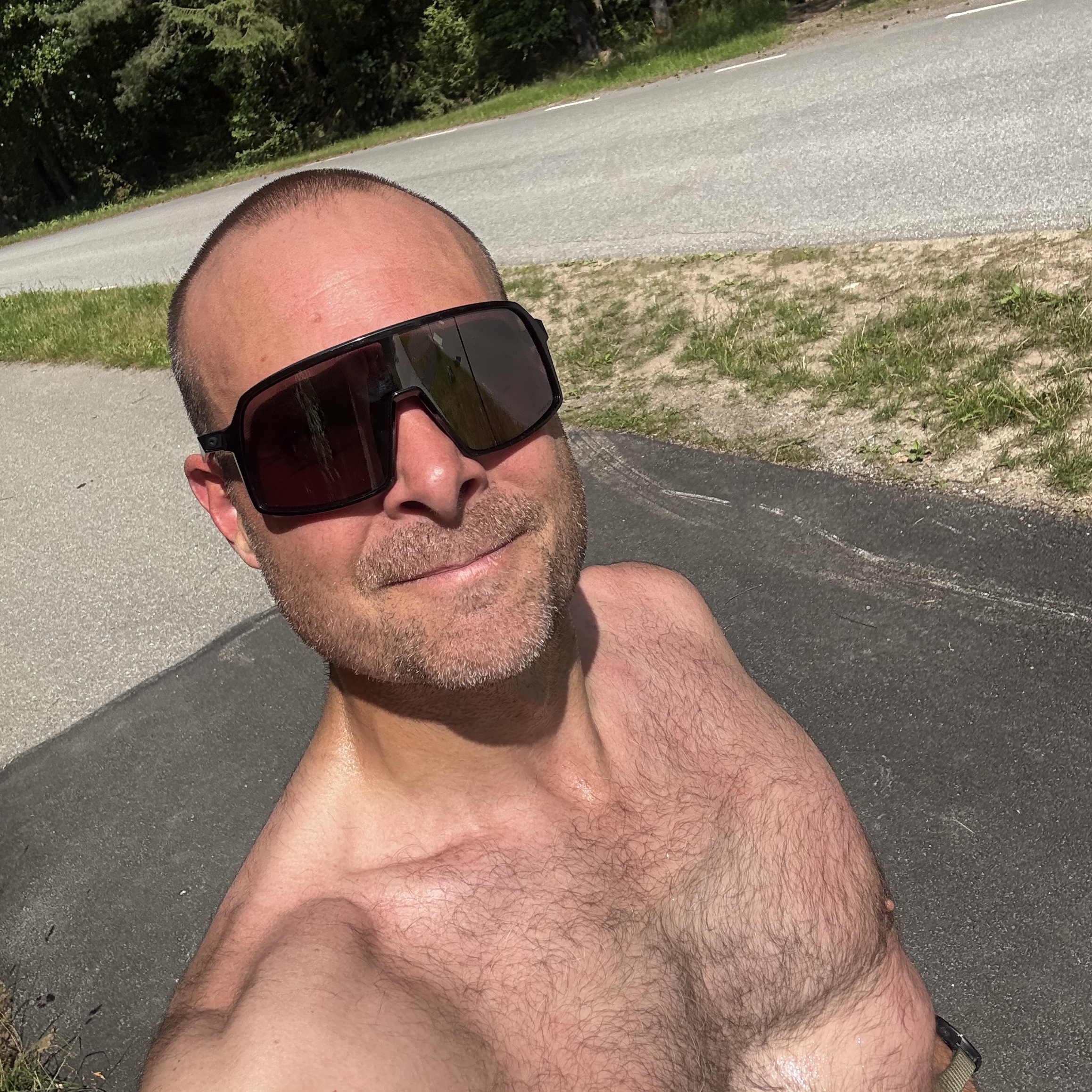
29 grader och 19k, sen var jag kokad! 🥵🥵
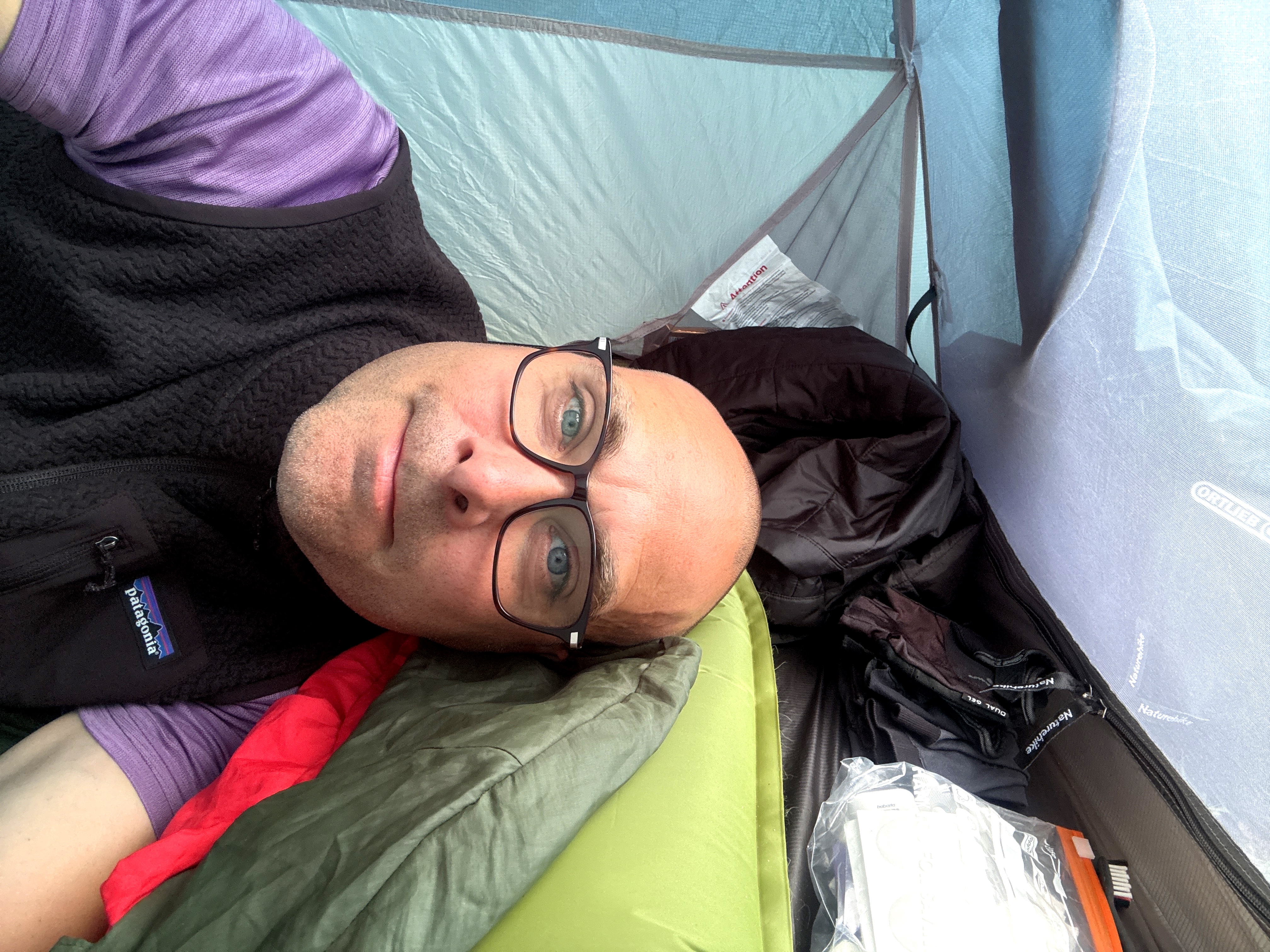
Sleep in a tent 🙌
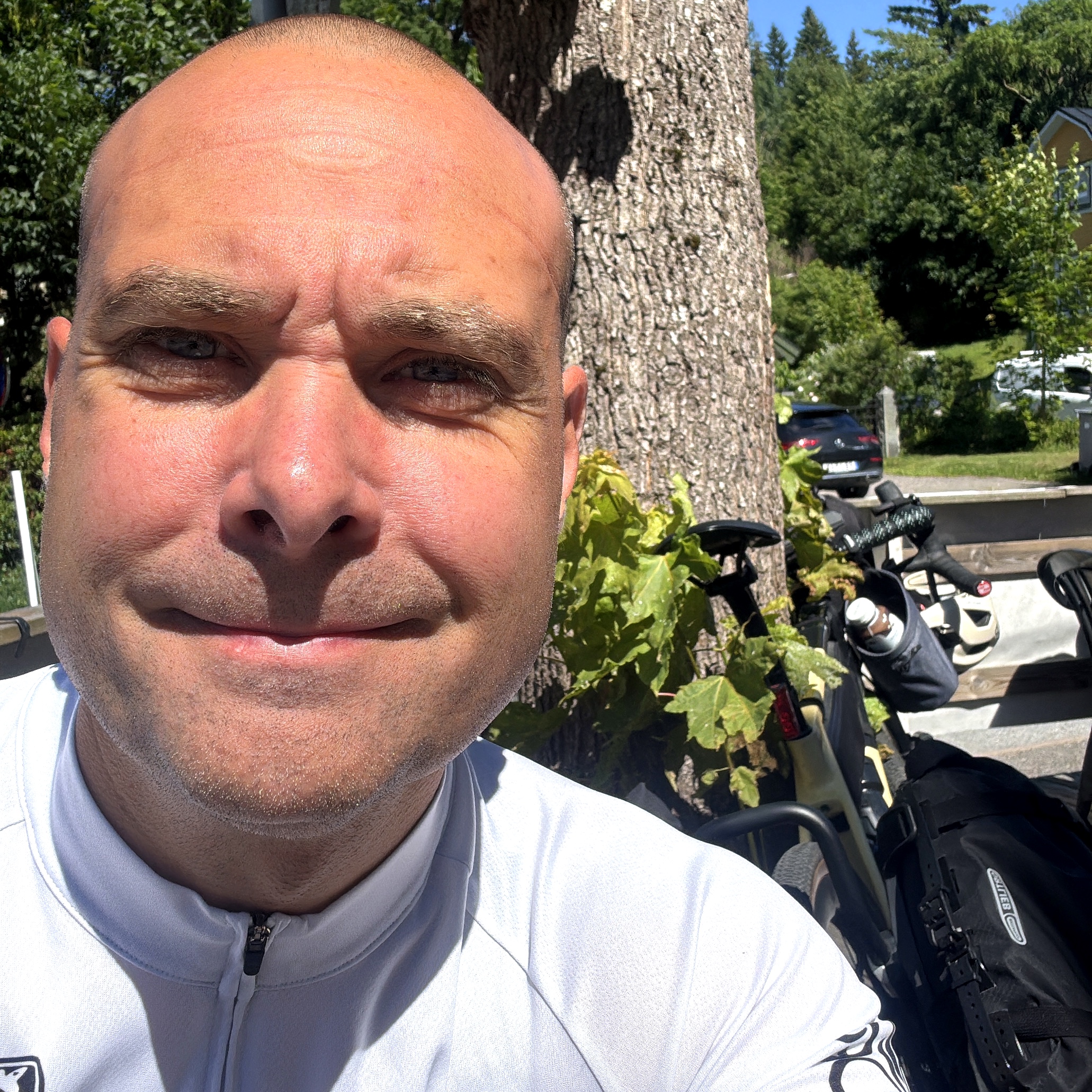
Just another pic of the day 1
Day 1, a picture
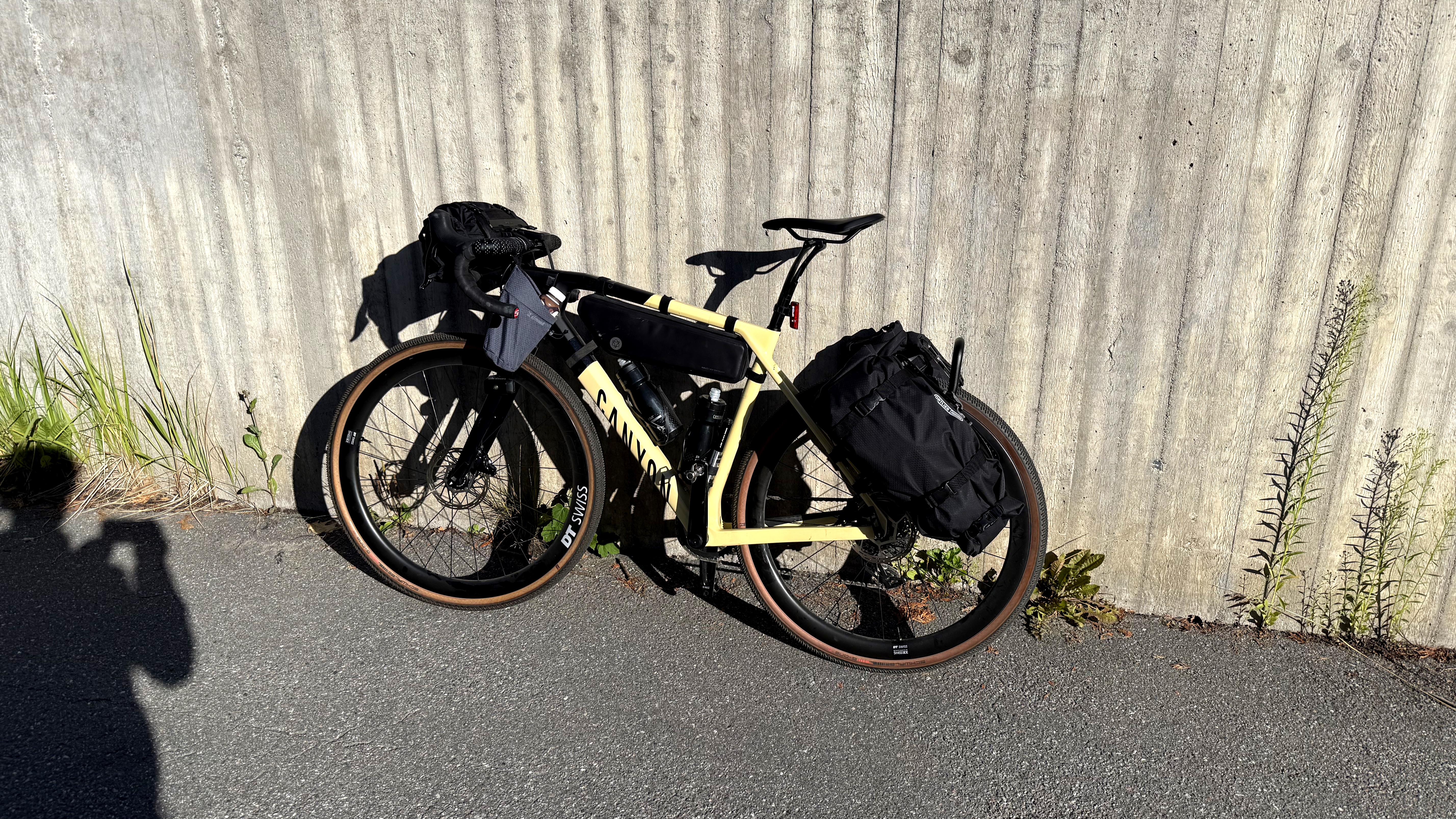
The bike #canyon #bikepacking #cycling
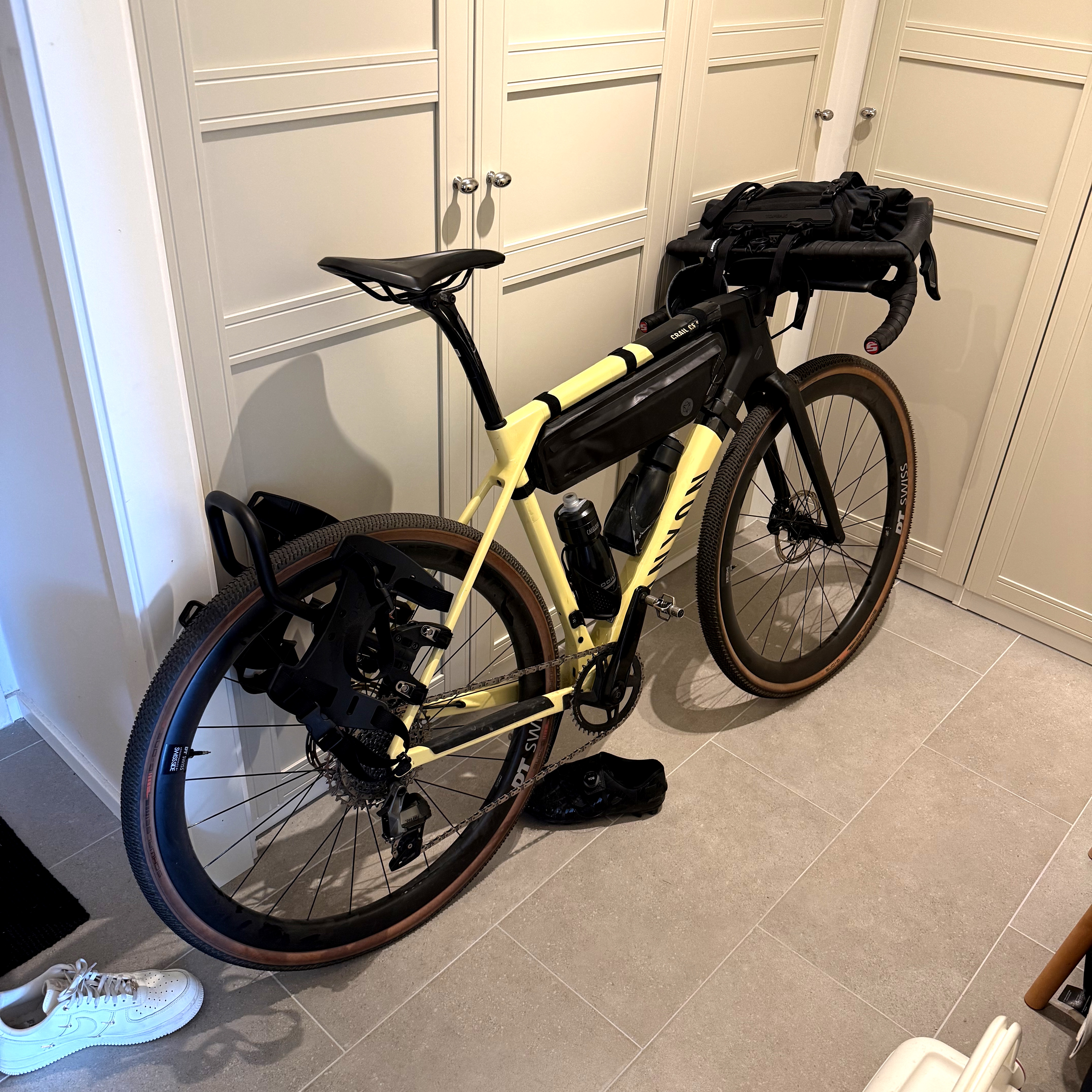
I’m getting there packing my bike 🤩🚵♂️ #bikepacking
Midday running 🏃♂️ 🥵
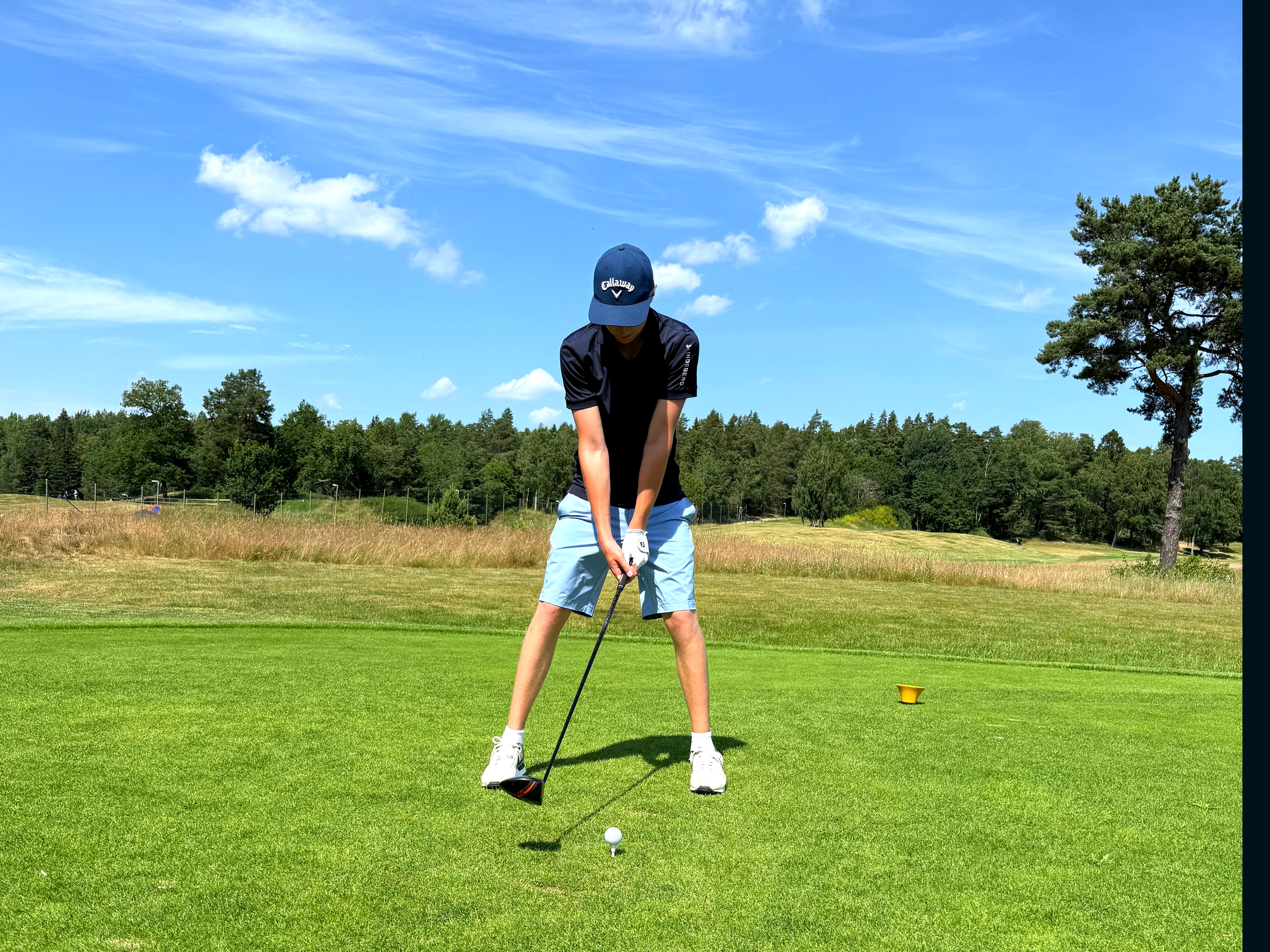
Frank och jag på Lidingö Golfklubb 👌
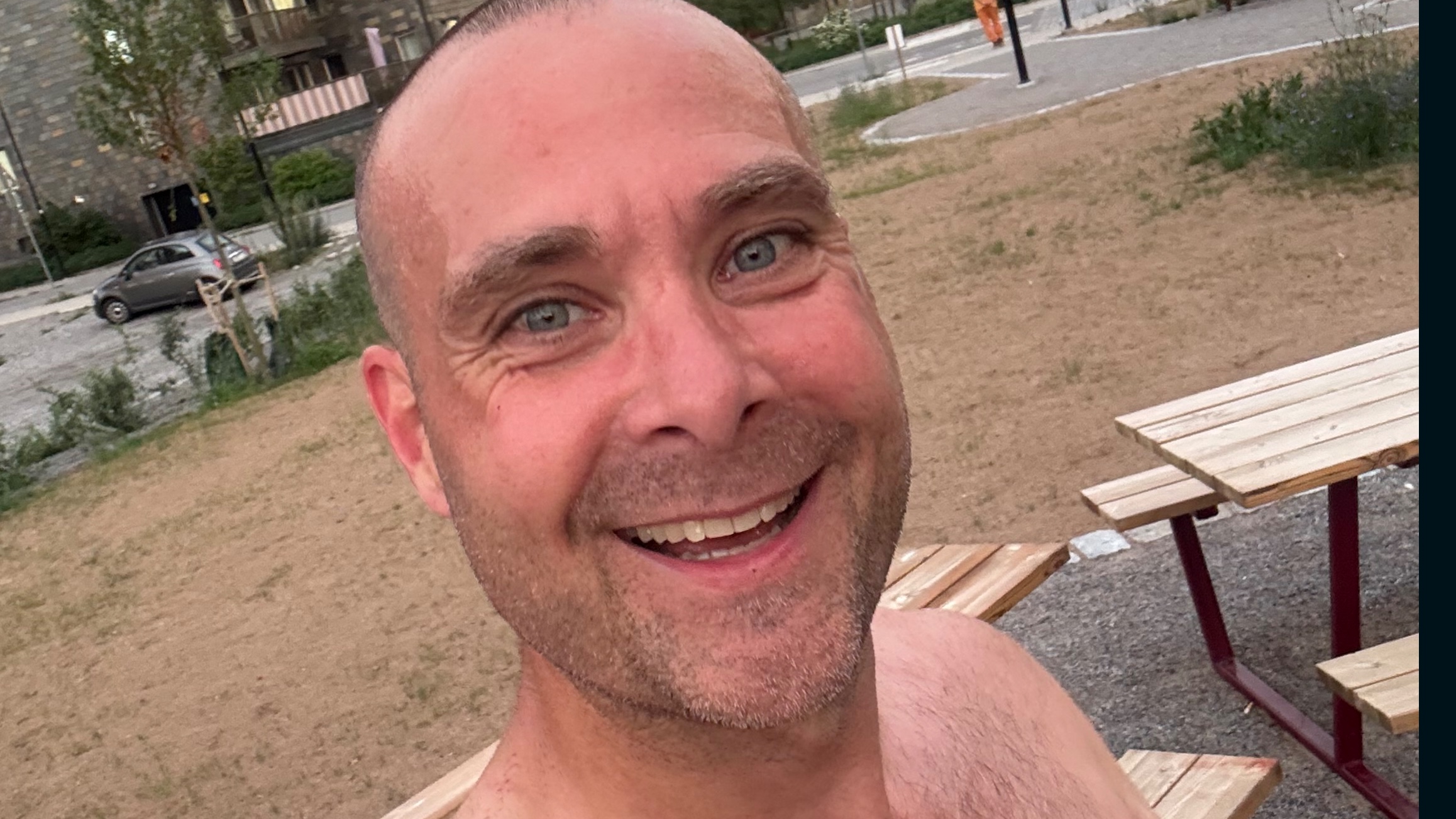
Long weekend with lots of party. Time to break even 😅🎉🏃♂️#run #fitness #motivation
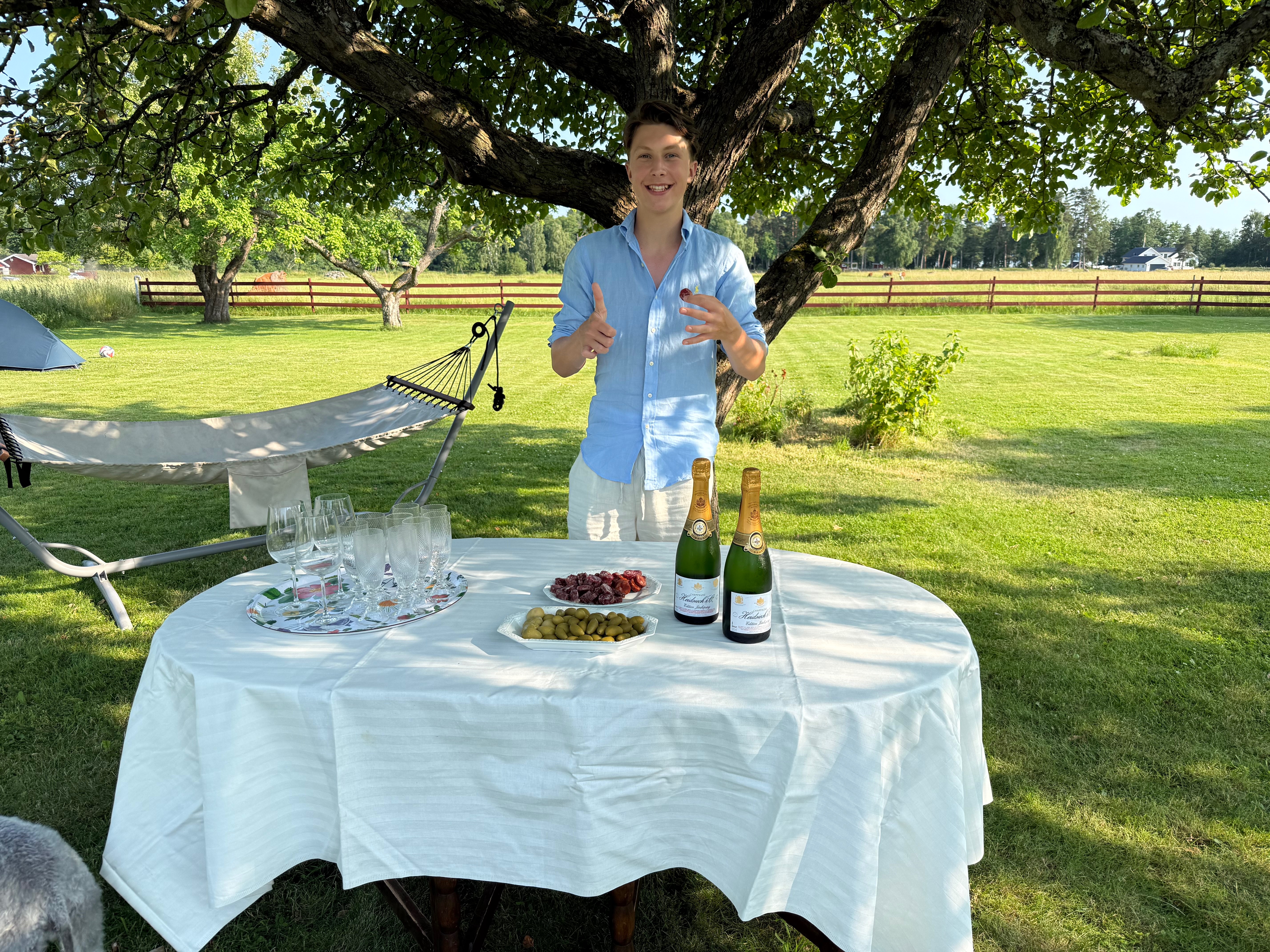
Happy birthday celebrations 🎂🍾🥳
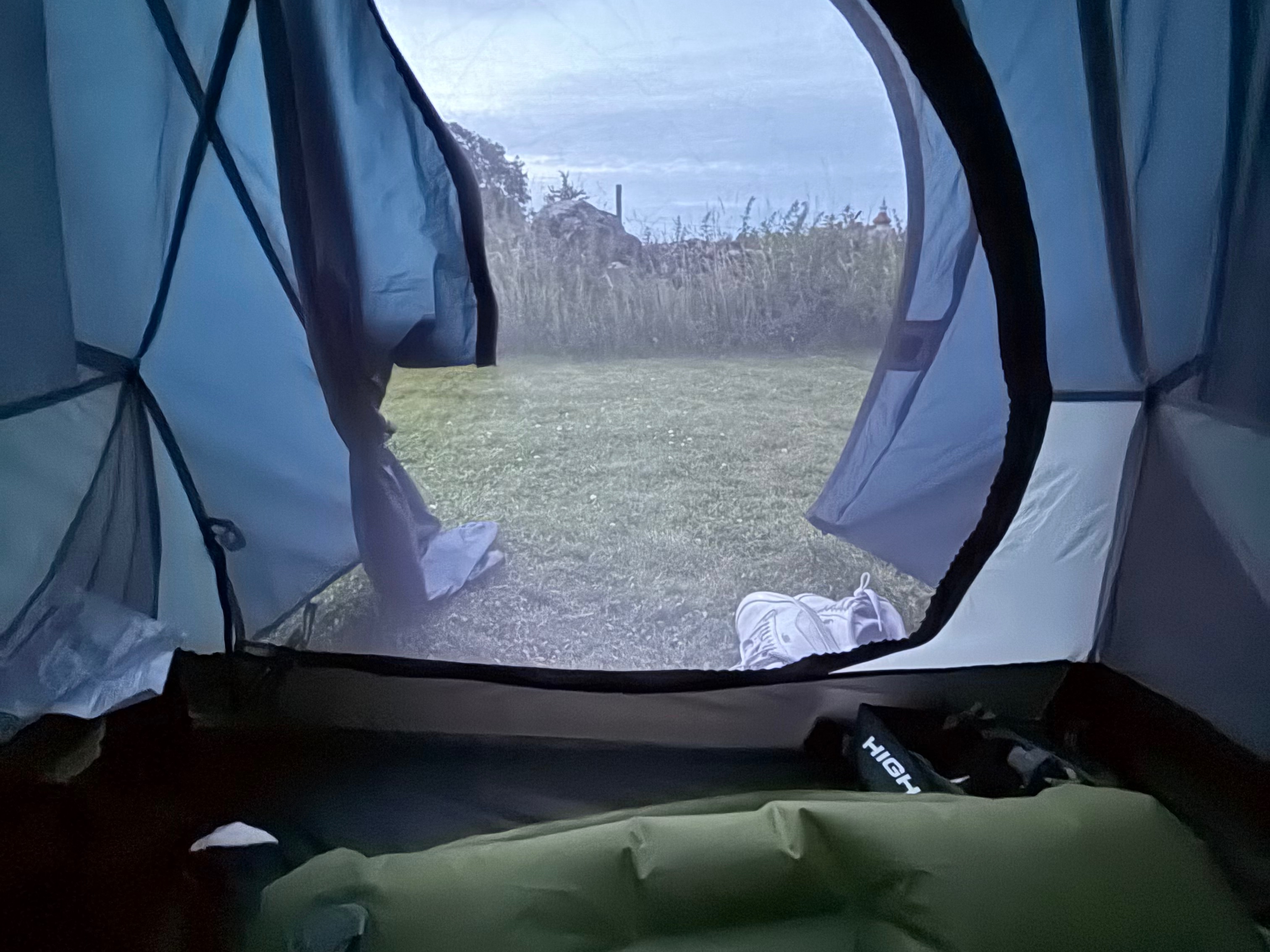
There is nothing better than sleeping in a tent 👌#tent #sleepigoutside
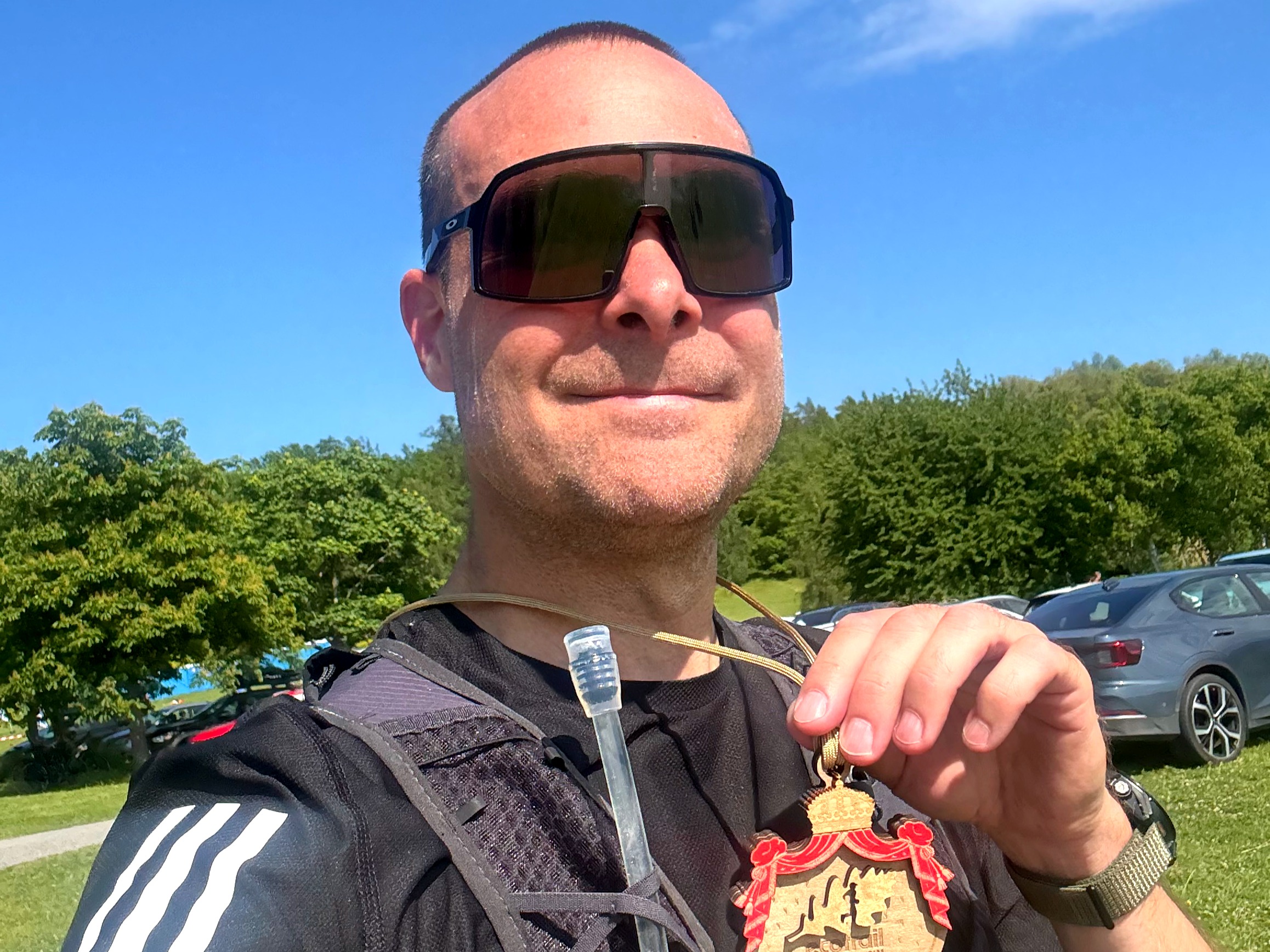
Ecotrail 33k — a fantastic day and a great fitness test! #success #Running #trailrunning

Vätternrundan 2023: The Revenge ### The Goals I had several objectives for my 2023 Vätternrundan training: * **Address my heart palpitations.** The frequent, sudden pulse spikes I experienced last year destroyed my enjoyment. These episodes occurred during training, races, and even at the Vätternrundan starting line, thwarting my chances of achieving my goal. Regarding my heart condition, I had undergone two operations and believed the issue was fixed. * **Increase my flexibility.** During a bike fitting, I discovered I was quite stiff through my back and legs. Improving this would also help prevent occasional knee pain. * **Get stronger,** particularly in my hips and legs, to achieve a higher FTP. * **Enjoy the camaraderie** with my riding group. * **Approach training seriously** while acknowledging that life can interfere and plans may need to adjust. ### Indoor Training in the Winter The indoor training was a fantastic experience. We had group sessions on Tuesdays and Thursdays using Zwift, with everyone connected via Discord for a variety of workouts, ranging from VO2 Max exercises to races and climbing Alpe du Zwift. In addition to these sessions, I completed my own workouts in the gym and on my bike. By exercising 5-6 days a week and consistently focusing on my flexibility, I became stronger and more limber. My FTP increased from approximately 200 to 245, making me far more competitive among my training partners. One of my proudest accomplishments was completing the Alpe du Zwift challenge in under an hour (54:17), which was a roughly 10-minute improvement. Following the winter season, I had another bike fitting and discovered my flexibility had significantly improved. I had progressed from being stiffer than most to falling within the average range. In retrospect, I might have benefited from adding longer workouts on Zwift, covering about 150-200 km. However, that can be incredibly tedious! 😅 ### Outdoor Training Outdoor training began as soon as the snow melted at the start of April. Initially, only about 10 people signed up for the Sub 9:45 group, and we hoped for more participants. As expected when integrating new riders, varying skill levels led to a jerky paceline, with riders taking wide lines, leaving gaps, and causing an accordion effect. However, we knew from the previous year that communication was crucial. We encouraged riders to give feedback on the slightest issue to the person in front of them and to address any problems promptly or pause the session to discuss them. After just two or three training sessions, our group improved significantly, and we only needed to fine-tune our performance thereafter. As the training continued every Tuesday, more people joined the group. Fortunately, adding one or two people to an already cohesive group wasn't a problem, as the newcomers quickly adapted to the flow. Towards the end, more people joined, but unfortunately, we also lost one or two participants along the way. By the time we had our final session, we had 15 people in the group. As for myself, I took on the role of primary coach. It was enjoyable and rewarding when everything went well, but it also meant I was responsible for providing feedback, shouting instructions, and judging performance. Occasionally, I felt like an irritated grandfather, compelled to use my angry voice to maintain order. For now, I am relieved the training sessions have concluded, and I hope someone else will take on the coaching role in the future. ### Test Race To evaluate our group's progress, we planned to participate in a shorter race called Trosa-Trampen. This 85 km race took place on smaller roads and featured a considerable number of uphill and downhill sections. Our goal was to maintain an average speed of 35 km/h, which was 2 km/h faster than what we needed for the Vätternrundan event. Throughout the race, everyone exerted themselves, and we rode seamlessly as a unit. We swiftly traversed the course but unfortunately lost one participant due to bike issues. Apart from that, however, the rest of the group crossed the finish line together. To our satisfaction, we managed to achieve an average speed of 36 km/h—an impressive feat for our group! ### The Revenge On Thursday, two days before Vätternrundan, we headed to Motala, where we had rented a house for the ten of us. We did some shopping and settled down on the sofa to watch the Jumbo-Visma series on Netflix. On Friday, we went to the event area to pick up some last-minute gadgets and our start numbers. We made sure to drink plenty since race day was expected to be hot. That afternoon, the whole group joined us, and we met at the house for a group dinner and a last-minute coaching session. We were ready! At 4:30 am, we prepared for the race start, with everyone bustling around the house eating, using the bathroom, and getting drinks and bikes ready. We met up at the starting line at 5:45 am, where we took a nice group photo. Our race began at 6:08 am, and we were fortunate enough to stay behind a faster group for most of the way to Jönköping, with the wind at our backs. When we reached the west coast of Vättern, we faced headwinds. As we were overtaking some people, one of my teammates lost control of their bike and fell right in front of me, sliding on the tarmac. Fortunately, I managed to ride over their bike, and the riders behind me were able to stop. We made sure our friend was okay and continued the race as he waited for medical assistance. Most of the group had already gone ahead to the next water and rest stop. On our way there, we rode too hard, and I ended up straining my legs on that 6 km stretch. We continued, but I couldn't recover. After about 200 km, I had to slow down and let the group ride ahead due to my aching legs. Thankfully, I regrouped with a few teammates who had also slowed down. As we continued, I experienced another heart episode (my pulse shot to 13 BPM over my max), forcing us to stop for 30 minutes until it returned to normal. Despite this setback, we continued the race and rejoined another teammate who had experienced a double puncture earlier. The last 30-40 km went quickly as we pushed ourselves, maintaining a speed of over 35 km/h all the way to the finish line. We completed the race in 11 hours and 14 minutes—a good time, considering our unplanned break and a coffee stop. I am satisfied with my performance and feel that I don't need to race again to prove I can finish in under 10 hours. If I were to participate again, I would likely ride hard between stops and enjoy longer breaks in between.
650km solo bike trip in 2022 Aug 2, 2022 4 min read I was on vacation in Florida, sitting in the sun and wondering what I should do with the week I had to myself when I returned home. I had been watching ultra-distance riding on GCN+ and loved the idea of it. Not the racing day and night part, but the longer, self-supported rides, living in a tent—that really appealed to me. **Planning the route** I began planning a route that would take me from Stockholm down the coast to Oskarshamn and then inland through smaller villages before looping back (route on the page). The route was 850 km long with an elevation of 6,800 m, so relatively flat. My plan was to complete it in 5 days. Even though I'd only ever read about planning longer rides, I started mapping out places to eat, get water, and find other necessities. I estimated my timing based on an average speed of 25 km/h, noting the start and end points for each day, plus all the stops in between. I double-checked the route to ensure it was paved since I would be on my road bike. Once I felt everything was meticulously planned, I moved on to my gear. **Packing** I knew I had to travel light, so I opted for a smaller tent, a compact sleeping bag, and a few bike-mounted bags. I skipped a kitchen setup, figuring towns, stores, and restaurants are so readily available in Sweden that finding food would be easy. I made a conscious effort to minimize everything. In total, my gear came to 12 kg, distributed among a large saddlebag (with a smaller bag on top), a handlebar bag, and a frame bag. I also had a small bag just for food. Overpacked!!! 😂 **Riding** I embarked on my adventure at the end of July, with a week of sunny weather forecasted. The first day was one of the longest at 220 km. My average speed ended up being 22 km/h, not the 25 km/h I'd planned. I'd completely underestimated how challenging the climbs would be with an extra 12 kg of weight. Every small incline felt like a 15% climb, and I pushed myself too hard. When I finally reached the campground, I was completely exhausted. After a dip in the sea and a bite to eat, I got a call: my luggage, delayed from the US, couldn't be delivered. I was on the phone until 2 a.m. trying to resolve it. I finally fell asleep at 3 a.m., only for my alarm to go off at 8. Waking up was agonizing—I had no energy left. Despite the fatigue, I packed up and hit the road. After just 30 km, I was so tired I made a split-second decision: I was shedding weight. I mailed my tent and sleeping bag home and booked hotels for the rest of the trip. I continued south, slower than planned and with few stops. Strangely, I felt stressed and couldn't bring myself to rest properly during the day. Maybe it was because I was alone with no one to talk to. I also realized I'd been riding into a headwind for two straight days. When I arrived in Västervik, I checked into a hotel and slept soundly. The following day was my birthday, and I was still worn out. I decided I needed a shorter day and no headwinds, so I adjusted my route and headed inland to Åtvidaberg. I'd booked a nice hotel with a good restaurant, and I had time to enjoy a beer and a delicious dinner before turning in. The next day, I made another decision: to just ride home. It was about 220 km away. I mailed the rest of my gear home, keeping only the essentials, and set off. I think I averaged 28 km/h that day and made it back in time for dinner. A few days later, I realized I had enjoyed the experience far more than I thought at the time. I definitely want to do it again. **What did I learn?** * A saddlebag that's too long, big, and heavy is cumbersome, especially when you're standing on the pedals to climb. It sways around too much. * Estimate a slower average speed. It's better to finish the day early and feel good about it. * Triple-check your planning. I realized on my way back that I'd missed some details and had to improvise to find food and water. * A snack bag on the handlebar is fantastic. I used a small chalk bag meant for climbers. It easily held half a baguette, Snickers bars, and more. It was super convenient for grabbing food and could be closed if it rained. * If you're bringing a tent and sleeping bag, go ultralight. * Extra weight makes cycling so much harder. You're not going to maintain a 25 km/h average for a full day carrying 12 kg. * Consider bringing a friend. It can get a bit lonely out there. * Next time, I'll plan more effectively! 😉
Stockholm to Umeå with minimal packing and tent Better late than never with this post. My life has been upside down since I came home this summer, and my motivation has been low. But things are turning around now; I'm getting my training back into a routine, and life is starting to look better. Before I set out on this gravel trip, I was afraid I would hate living in a tent. I've only camped maybe twice in my life, and all I could remember was how uncomfortable it was, with bugs and mosquitoes everywhere. But I did my research on which sleeping pad and tent to get and chose the “TRINORDIC Ultralight Inflatable Sleeping Pad with Integrated Cushion.” It's only 5 cm thick but extremely comfortable, and I could even sleep on my side. It took about a minute to inflate and was super easy to pack away again. That was a killer choice! The tent I decided on was the “Naturehike New Cloud-up Ultralight 1 Person Tent.” It’s lightweight and very easy to set up and take down. It has a great inner tent that protected me from bugs, and I was very happy with it the whole way. I stayed perfectly dry, even on a few nights with heavy rain, and the tent dried out quickly in the wind. I thought about writing a long blog post about the ride, but instead, I'm just going to show you lots of pictures that tell the story much better! Please feel free to contact me if you have any questions 😊